
Explore careers
Working in sheet metal gives you options
Discover the diverse opportunities available in the sheet metal industry
-
Union HVAC technicians install and service heating, ventilation, and air conditioning systems that deliver safe, comfortable air to buildings such as schools, hospitals, airports, factories, and offices.
HVAC stands for heating, ventilation, and air conditioning. In this field, you’ll work on large-scale mechanical systems in commercial and industrial settings, collaborating with skilled tradespeople to build systems that improve comfort, air quality, and overall quality of life.
Career opportunities:
Installer
Fabricator
Welder
Crew Leader
Project Manager
Sales & Service
Career opportunities:
Aerospace manufacturing
Power plant construction
Shipbuilding and marine repair
Petrochemical facilities
Heavy equipment manufacturing
Custom fabrication shops
-
Welding is the most common method of permanently joining metal parts by applying heat to melt and fuse materials into a strong, lasting bond. It is essential across industries including construction, shipbuilding, automotive, aerospace, power generation, and manufacturing.
Sheet metal welders work on everything from large-scale industrial projects to custom fabrications and shop-built modules. You may help build equipment for manufacturing plants or work on specialized installations such as power plants or high-tech facilities—projects that often span years and have a lasting impact.
Welders use a wide range of tools and techniques, with over 100 different welding processes available. The method used depends on the materials involved and the conditions of the job, making welding a versatile and in-demand skill across many industries.
-
A certified detailer is a skilled HVAC professional who coordinates between fabricators, installers, and multiple trades on commercial projects. Working from plans and specifications, you’ll take field measurements and create precise 3D digital drawings that integrate into Building Information Modeling (BIM) systems to support project planning and execution.
Using tools like Revit, detailers develop models, layouts, and visualizations that guide installation and improve coordination across teams. These models can include detailed component information, dimensions, and project specifications.
While most work is performed in an office setting, detailers also visit job sites to collaborate with superintendents, architects, and engineers, ensuring accuracy and efficiency throughout the project.
-
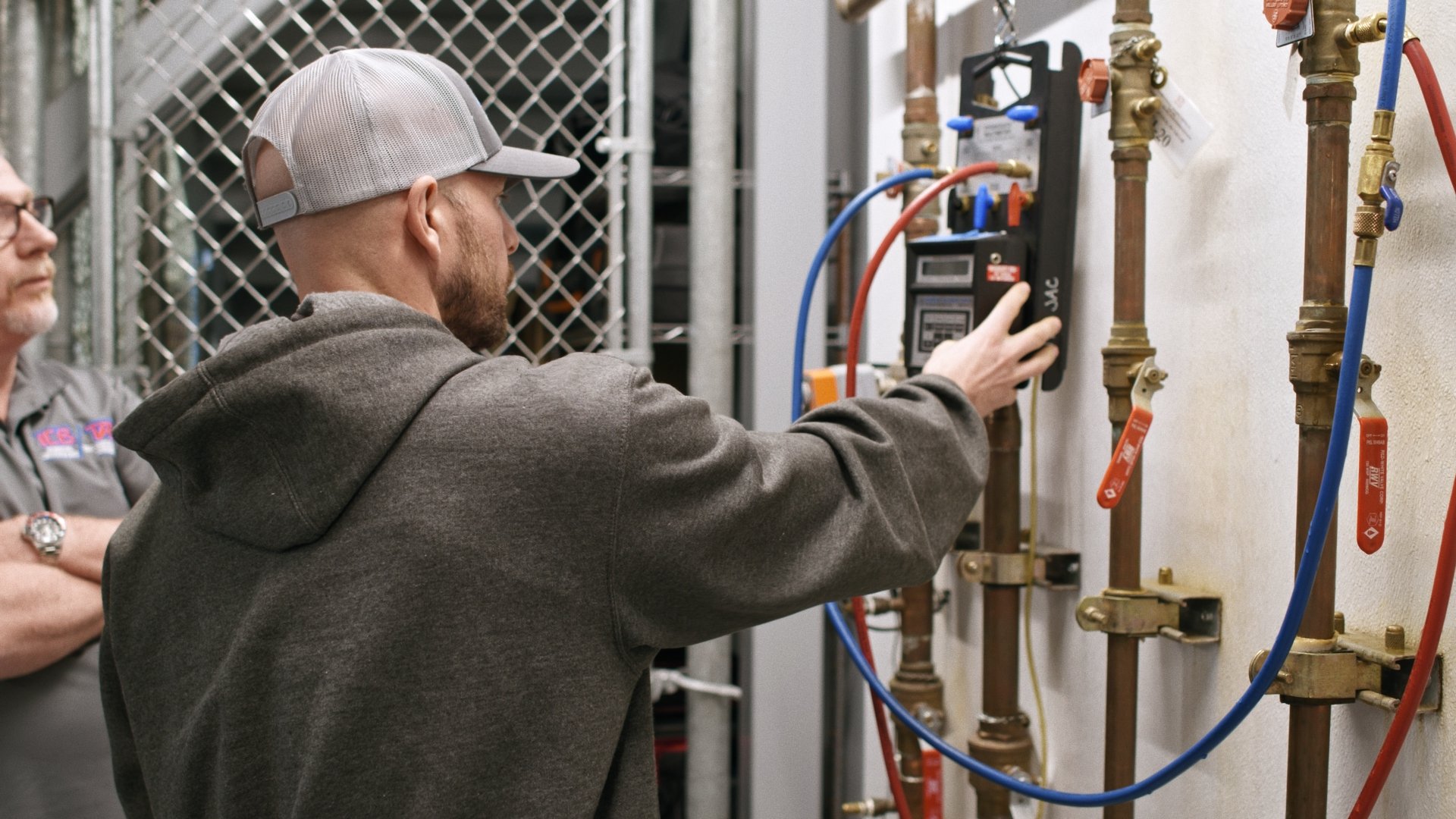
Testing, Adjusting, and Balancing (TAB) is essential to the performance of air and water distribution systems. TAB technicians ensure HVAC systems operate efficiently, quietly, and safely by delivering air and water according to design specifications.
As a TAB technician, you’ll work with complex systems, using math and problem-solving skills to verify and optimize system performance.
Career opportunities:
Energy Management
Indoor Air Quality
Building Commissioning
Sound and Vibration Testing
Fire Life Safety Systems
HVAC Systems & Controls
System Design
Project or Facility Management
Cleanroom Certification
-
Architectural sheet metal combines technical skill with craftsmanship. As an apprentice, you’ll learn fastening and joining techniques, manage expansion and contraction, and control moisture to ensure both the appearance and durability of buildings. Work opportunities span residential, commercial, and industrial projects.
Career opportunities:
Installer
Fabricator
Solderer
Crew Leader
Designer
Project Manager
Sales & Service
-
HVAC stands for heating, ventilation, and air conditioning. As a residential HVAC technician, you’ll install, service, and maintain complete HVAC systems in homes, including single-family residences, townhomes, and apartment buildings. Your work will include installing ductwork for new construction as well as upgrading, retrofitting, and troubleshooting systems in existing homes. Most of your time will be spent working in the field.
Career opportunities:
New Construction Installer
Residential Finish Installer
Retrofit Technician
Residential Service Technician
Explore OPTIONAL career PATHS IN THE SHEET METAL TRADE
Working in sheet metal gives you options
Discover the diverse opportunities available in the sheet metal industry
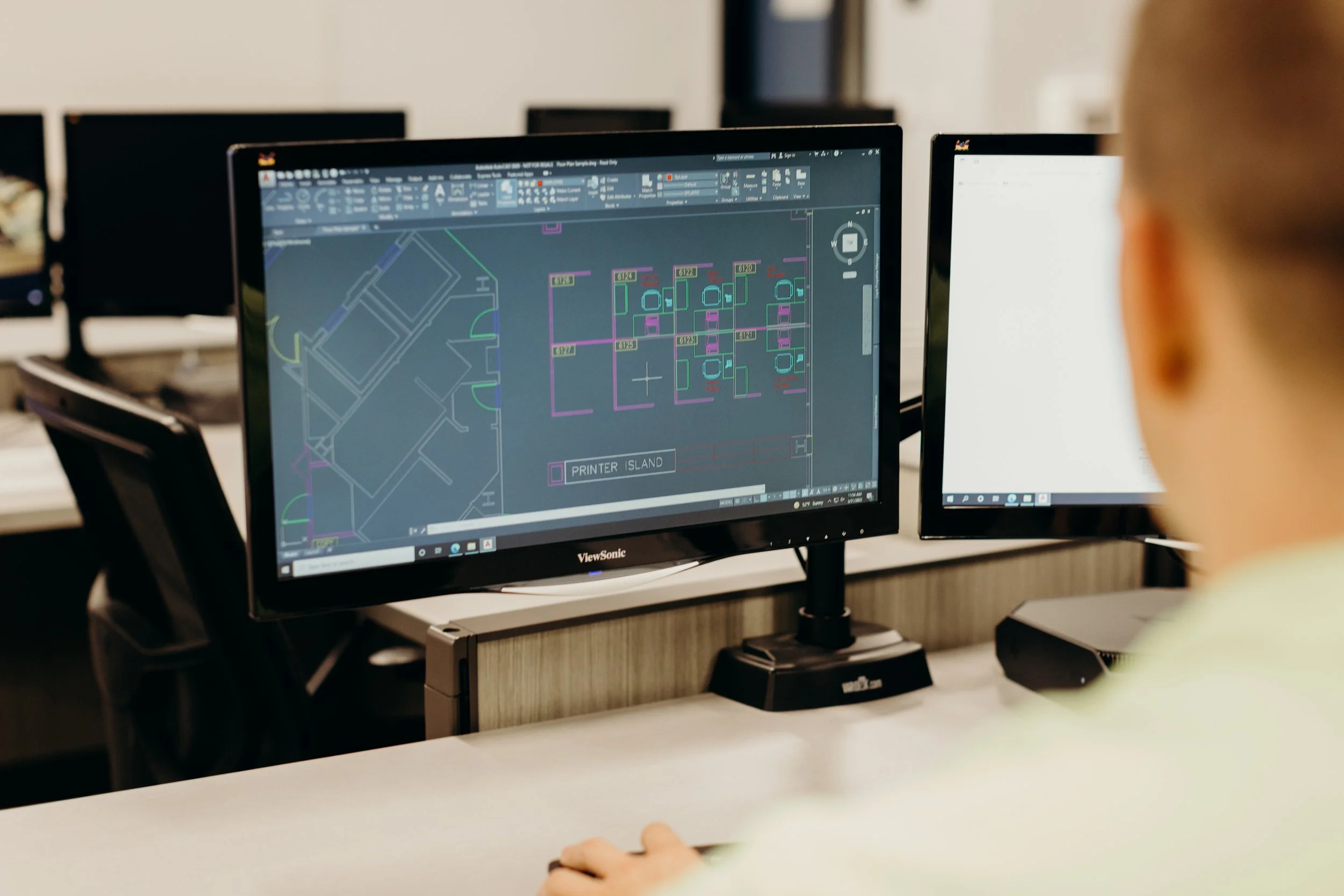
A certified detailer is a skilled HVAC professional who coordinates between fabricators, installers, and multiple trades on commercial projects. Working from plans and specifications, you’ll take field measurements and create precise 3D digital drawings that integrate into Building Information Modeling (BIM) systems to support project planning and execution.
Using tools like Revit, detailers develop models, layouts, and visualizations that guide installation and improve coordination across teams. These models can include detailed component information, dimensions, and project specifications.
While most work is performed in an office setting, detailers also visit job sites to collaborate with superintendents, architects, and engineers, ensuring accuracy and efficiency throughout the project.
DETAILING
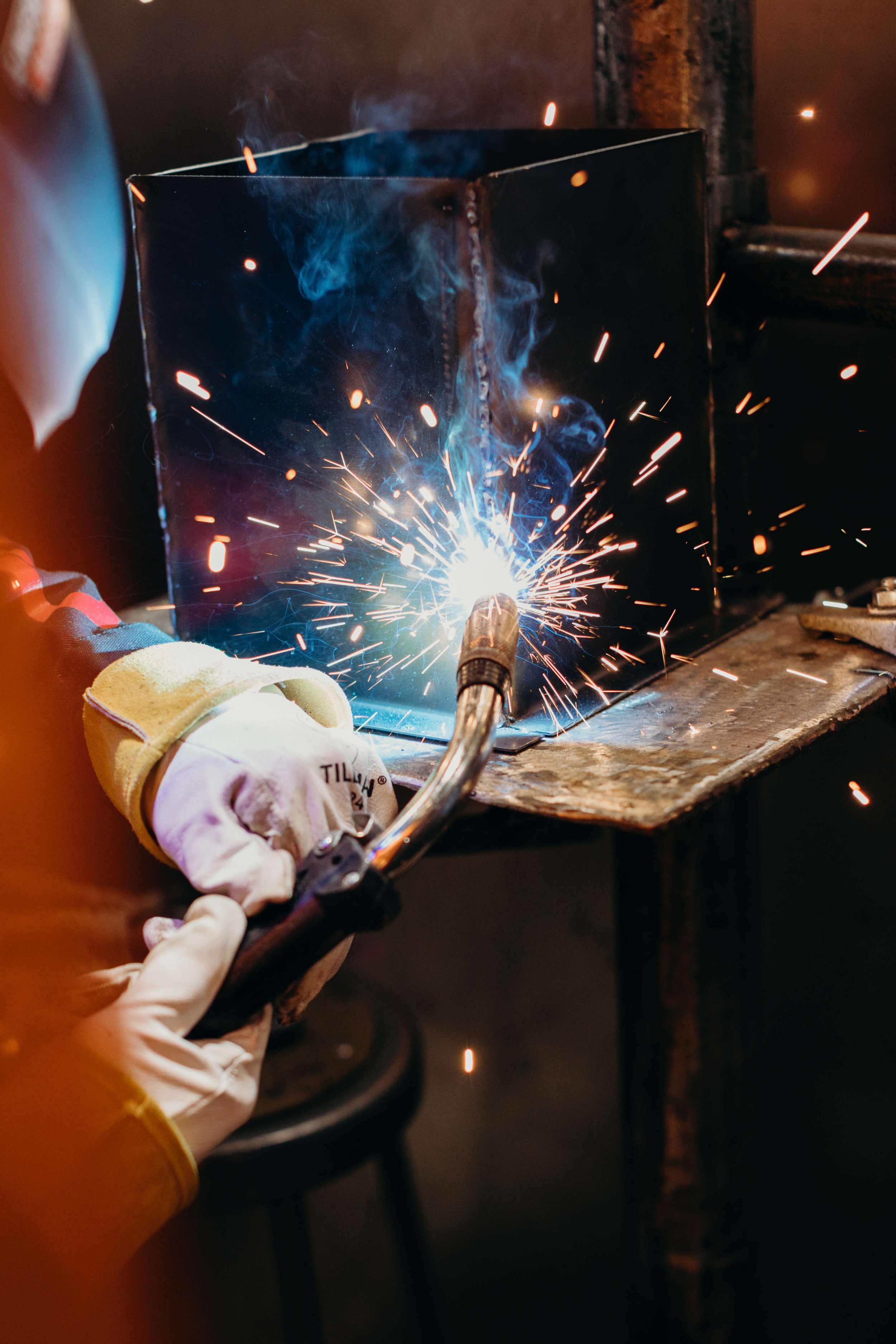
Welding is the most common method of permanently joining metal parts by applying heat to melt and fuse materials into a strong, lasting bond. It is essential across industries including construction, shipbuilding, automotive, aerospace, power generation, and manufacturing.
Sheet metal welders work on everything from large-scale industrial projects to custom fabrications and shop-built modules. You may help build equipment for manufacturing plants or work on specialized installations such as power plants or high-tech facilities—projects that often span years and have a lasting impact.
Welders use a wide range of tools and techniques, with over 100 different welding processes available. The method used depends on the materials involved and the conditions of the job, making welding a versatile and in-demand skill across many industries.
Welding
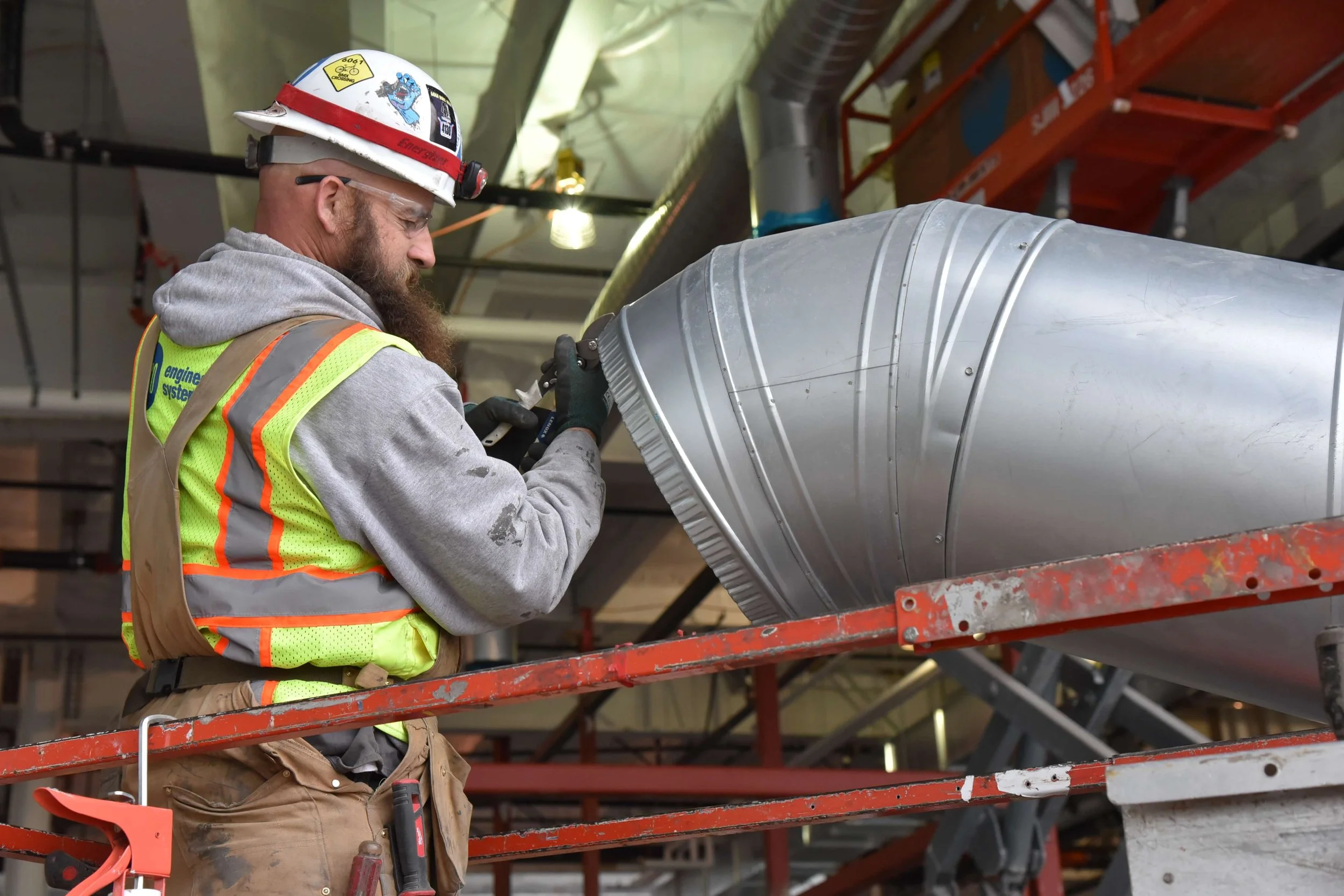
Union HVAC technicians install and service heating, ventilation, and air conditioning systems that deliver safe, comfortable air to buildings such as schools, hospitals, airports, factories, and offices.
HVAC stands for heating, ventilation, and air conditioning. In this field, you’ll work on large-scale mechanical systems in commercial and industrial settings, collaborating with skilled tradespeople to build systems that improve comfort, air quality, and overall quality of life.
Career opportunities:
Installer
Fabricator
Welder
Crew Leader
Project Manager
Sales & Service
Commercial HVAC
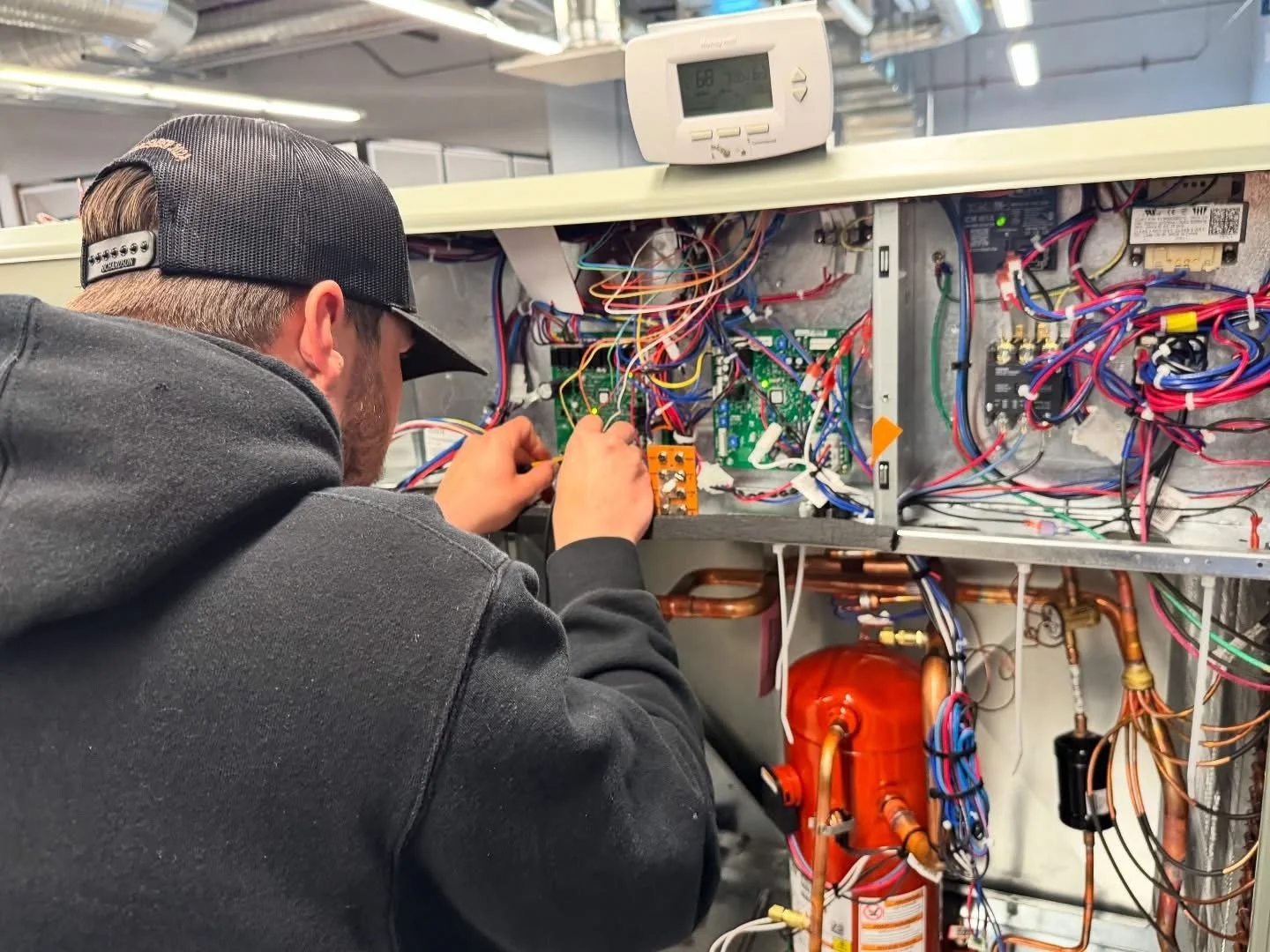
HVAC stands for heating, ventilation, and air conditioning. As a residential HVAC technician, you’ll install, service, and maintain complete HVAC systems in homes, including single-family residences, townhomes, and apartment buildings. Your work will include installing ductwork for new construction as well as upgrading, retrofitting, and troubleshooting systems in existing homes. Most of your time will be spent working in the field.
Career opportunities:
New Construction Installer
Residential Finish Installer
Retrofit Technician
Residential Service Technician
Architectural sheet metal combines technical skill with craftsmanship. As an apprentice, you’ll learn fastening and joining techniques, manage expansion and contraction, and control moisture to ensure both the appearance and durability of buildings. Work opportunities span residential, commercial, and industrial projects.
Career opportunities:
Installer
Fabricator
Solderer
Crew Leader
Designer
Project Manager
Sales & Service
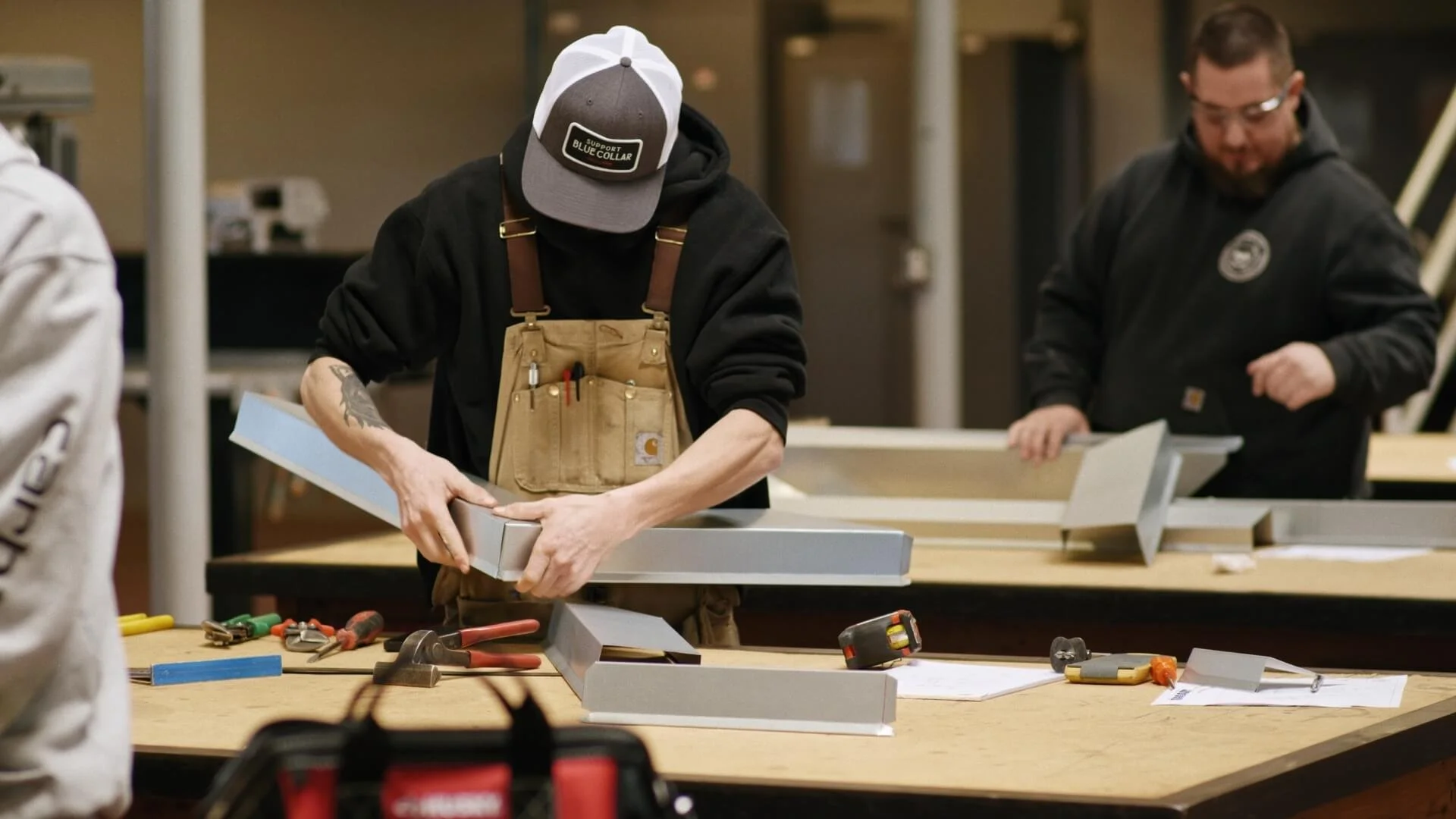
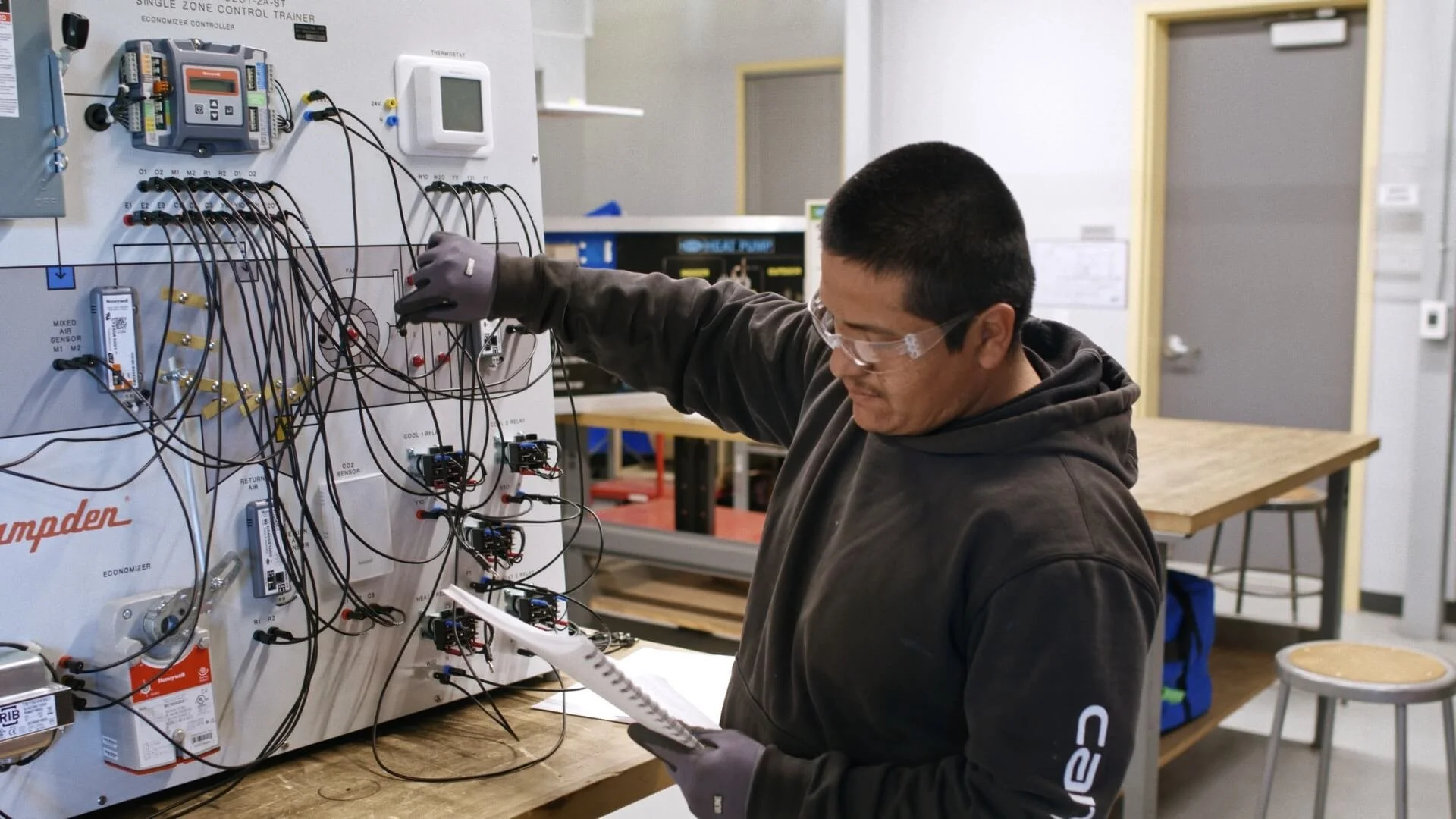
Testing, Adjusting, and Balancing (TAB) is essential to the performance of air and water distribution systems. TAB technicians ensure HVAC systems operate efficiently, quietly, and safely by delivering air and water according to design specifications.
As a TAB technician, you’ll work with complex systems, using math and problem-solving skills to verify and optimize system performance.
Career opportunities:
Energy Management
Indoor Air Quality
Building Commissioning
Sound and Vibration Testing
Fire Life Safety Systems
HVAC Systems & Controls
System Design
Project or Facility Management
Cleanroom Certification
Residential HVAC
Architectural
TESTING, Adjusting, & BALANCING (TAB)
PAVING THE PATH TOWARD LONG-TERM SUCCESS
Starting an apprenticeship at SMTC provides you and your family with the opportunity for a long-term career, full benefits, and guaranteed pay increases as you progress through the program.
$55K year
Starting Pay
Based on 2000 working hRS / year
building your foundation
Sheet metal Apprentice
To become an apprentice, you must pass an aptitude test, seek employment, and be hired by a signatory contractor. Once sponsored, you’ll be enrolled in the program.
Before sponsorship, you can work as a pre-apprentice to gain experience, confirm the trade is right for you, and demonstrate your work ethic and interest.
After starting the apprenticeship, you’ll be on track to complete the program in five years, with scheduled pay increases along the way.
Earn while you Learn
Apprentice Wage Advancement
5-Year Apprenticeship
Your training combines classroom instruction, hands-on lab work, and real-world, on-the-job experience. Over the course of the 5-year (10 semester) apprenticeship, you’ll receive scheduled wage increases while building your retirement and enjoying full family health coverage.
Gross Taxable Wages by Semester (Based on 2000 Hours per Year):
Semester 7: $77,000/year
Semester 8: $82,000/year
Semester 9: $88,000/year
Semester 10: $93,000/year
Semesters 1–3: $55,000/year
Semester 4: $60,000/year
Semester 5: $66,000/year
Semester 6: $71,000/year
$110K
*Based on 2000 Hours Per Year
Upon Graduation
Journeyperson Status
Upon completing all 10 semesters, passing required coursework, and fulfilling on-the-job training (OJT) hours, you will earn journeyperson status. This certification is recognized throughout the United States and Canada, signifying that you are a fully trained and skilled professional in your trade.
As a journeyperson, the union and signatory contractors work together to ensure your wages continue to grow alongside your experience, skills, and knowledge.
Advancement courses for active members
Unlike traditional colleges or trade schools, the Northern California Sheet Metal Training Center supports apprentices throughout their entire careers.
Local 104 members are always welcome to return for upgrade courses at no cost.
These courses include specialty classes, manufacturer-specific training, and advanced or refresher coursework. This ongoing support ensures that Local 104 technicians remain at the top of their trade while continuing to expand their skillsets and value in the field.
Members can also obtain valuable certifications, including Fire Life Safety damper inspections, smoke control system inspections, Mechanical Acceptance Testing (MATT), and more.
For example, a technician who began their career in HVAC installation can later transition into HVAC service or Testing, Adjusting, and Balancing (TAB). This opportunity for lifelong learning is available at no cost to all Local 104 members; even years after completing their apprenticeship
View All Upgrade Courses
Upgrade courses are available exclusively to current Local 104 members in good standing.
unlock a stable, rewarding career for you and your family
Apply to become an apprentice at the Sheet Metal Training Center